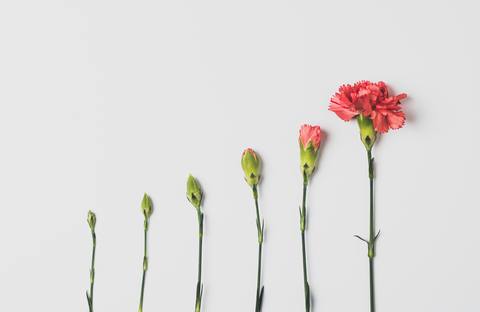
Change Is Everywhere, Why the Ones Who Adapt Survive
 Garv
GarvNov 15, 2021 3 min read
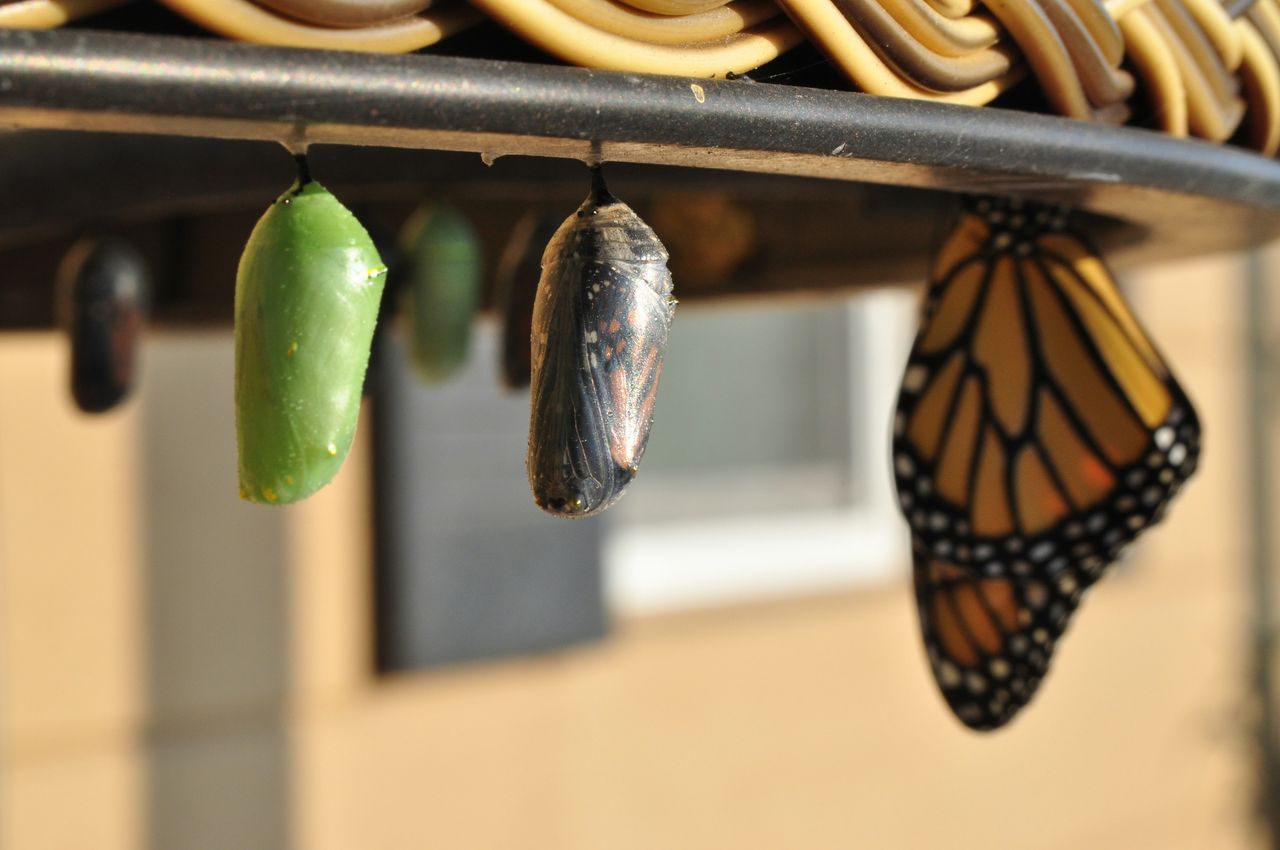
Nothing around you is standing still, even the things that look permanent. Your body is quietly rebuilding itself, your city is shifting, your relationships are evolving, and the person you were five years ago is already gone. Everything is changing, all the time, and honestly, thank goodness, because a life where nothing ever changed would be unbearable. The trouble is not the change itself. The trouble is our stubborn belief that things should stay the same, and that belief is where a lot of our suffering quietly comes from.
Fighting change is a fight you always lose
Heraclitus said you cannot step into the same river twice, because the water has already moved on and so have you. That was true two and a half thousand years ago and it is true this second. Things might look the same from day to day, but glance back over a year, or five, and you realize it was all quietly transforming the whole time.
Marcus Aurelius, writing in his tent between battles, leaned on the same image. He reminded himself that time is like a river of passing events, and a strong current at that, because no sooner is a thing seen than it is swept away and something else takes its place. This from a man ruling an empire through war and a devastating plague, watching stability dissolve around him daily. His response was not to freeze but to accept the current and keep doing his work inside it.
Change can strike suddenly, so build good habits now
Some change is gradual, but some arrives all at once and reshapes everything in a single stretch you did not see coming. Since you cannot stop that, the smart response is to steer the change you can influence while you are steady.
That mostly means building good habits now, in the calm, so that when things shift you are evolving in a direction you chose rather than one that just happened to you. Keep learning, keep growing, even when life is already good, because standing still is not actually an option. You are either evolving on purpose or drifting by default.
Adapt what you can, accept what you cannot
Here is the practical rule that ties it together, and it splits every situation into two clean buckets:
- If it is within your power and you cannot accept it, change it. Do not stew over something you could fix with effort.
- If it is genuinely out of your control, accept it, and play the hand you were actually dealt. Stop burning yourself up over a thing you were never going to move.
Sorting your situations into those two buckets is most of the work. Because in the end, in nature and in life, it is not the strongest or the smartest who last. It is the ones most responsive to change who survive and thrive. Rigidity looks like strength right up until the world shifts and snaps it. Adaptability looks like weakness right up until it becomes the only thing still standing. Change is everywhere. Learn to move with it, and it stops being your enemy and starts being the very thing that grows you.
Frequently asked questions
Why does resisting change cause suffering?
Because change is constant and unstoppable, so insisting that life should stay the same means fighting reality itself. Every shift then feels like a betrayal, and you waste energy grieving a permanence that never existed. Heraclitus and Marcus Aurelius both compared life to a flowing river for exactly this reason. Accepting that everything moves lets you flow with events instead of being ambushed by them.
How do I become more adaptable?
Build good habits and keep growing while things are calm, so you are evolving in a direction you chose rather than reacting to change under pressure. Sort your situations into what you can influence and what you cannot, changing the former and accepting the latter. Practicing acceptance and continual learning makes you the kind of person who bends with change rather than breaking against it.
Get one like it every morning.
Free daily Stoic wisdom — one minute, real practice.