Seek Out Shipwrecks, Why Failing Often Is the Fast Track to Success
 Garv
GarvAug 26, 2021 3 min read
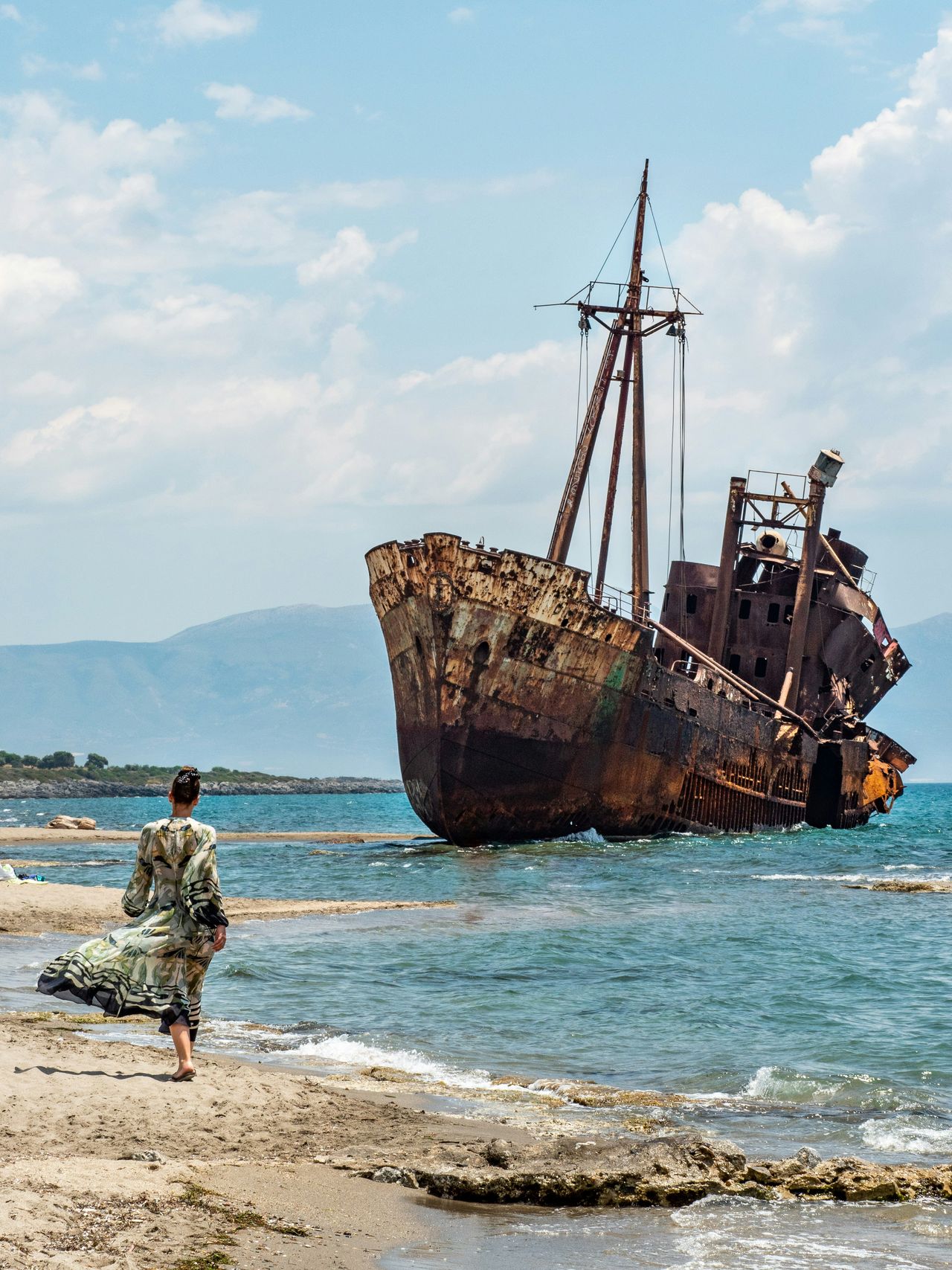
We treat failure like a catastrophe to be avoided at all costs, and in doing so we avoid the very thing that teaches us fastest. Ships get wrecked. Plans fall apart. Jobs end, relationships break, ventures sink, usually without warning. You can spend your life terrified of this, tiptoeing around every risk, or you can flip the whole relationship and start seeing shipwrecks for what they often are: the hard, unignorable lessons that redraw your life for the better.
The shipwreck that founded a philosophy
There is a reason this idea sits at the very root of Stoicism. Its founder, Zeno of Citium, was a wealthy merchant who lost everything when his ship went down and his cargo sank into the sea near Athens. Stranded and broke, he wandered into a bookshop, stumbled onto philosophy, and never left. He went on to found the Stoic school. Late in life he reportedly summed the whole thing up:
Now that I have been shipwrecked, I have made a good voyage.
The catastrophe was the doorway. That is the exact spirit worth borrowing when your own ship goes down. Notice how much energy we pour into dreading disasters that either never come or turn out survivable, when the useful move is to look, calmly, for the opening buried inside the wreck.
The wreck often redraws your life for the better
Here is what hindsight reveals again and again. The job you lost pushed you toward the one you were meant for. The relationship that ended made room for a better one. The plan that collapsed forced a rethink that led somewhere you never would have chosen but are grateful for now.
The Stoics leaned into this hard, teaching that the obstacle itself becomes the way forward, that what blocks the path can become the path. And on the days when the wreck really is just a loss with no hidden gift, there is still one thing left that changes everything: you can always start over. That option never expires.
Fail often, and climb the stairway
So do not organize your life around never sinking. Organize it around learning fast and recovering well. Take the first step even when you are unsure. Fail often, and treat each failure as information rather than a verdict. The people who succeed are almost never the ones who avoided failure. They are the ones who collected the most of it and kept moving.
Remember that success takes time and accumulated experience. It is a stairway, not a doorway, climbed one imperfect step and one honest mistake at a time. And because everything can change in a single instant anyway, for better as easily as worse, there is little point guarding your life against every storm. Stop fearing the shipwrecks. In a strange way, like Zeno, seek them out, because every one you survive teaches you something no smooth voyage ever could.
Frequently asked questions
How can failing often lead to success?
Because failure is the fastest teacher. Zeno of Citium lost his fortune in a shipwreck and called it the best thing that ever happened to him, because it led him to found Stoicism. Each setback hands you information you could not get any other way, and the willingness to fail means you take the shots that occasionally land big. People who succeed usually failed more, not less, than those who stayed safe.
Isn’t it reckless to seek out failure?
The point is not to be careless, it is to stop being paralyzed by fear of failing. You still act with judgment, but you accept that setbacks are inevitable and often useful, so you take real risks and learn from what goes wrong. Recovering and starting over is always possible, which makes bold action far less dangerous than it feels.
Get one like it every morning.
Free daily Stoic wisdom — one minute, real practice.