Spread Knowledge, Why Sharing What You Learn Lifts Everyone
 Garv
GarvOct 16, 2021 3 min read
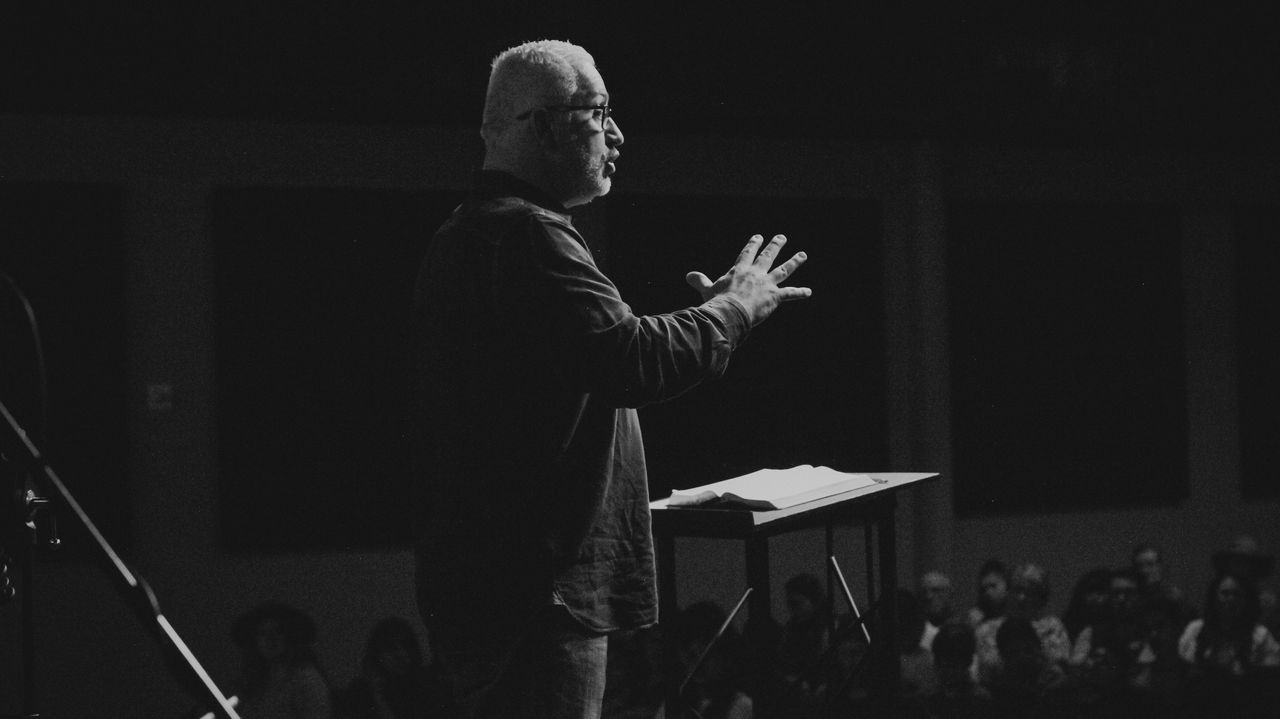
You read the books, listen to the podcasts, watch the videos, and slowly get a little wiser. That is good. But there is a step most people skip, and it is the one that actually completes the loop. What you have learned did not originate with you. Someone wrote it, taught it, or figured it out and passed it on so it could reach you. The honest response to receiving knowledge is not to hoard it. It is to pay it forward.
Knowledge is a debt you repay by passing it on
Think about where any useful thing you know actually came from. A teacher, a writer, a friend, a stranger on the internet who took the time to explain something clearly. You are standing on a long chain of people who shared, and you benefited from every link. Keeping what you learn to yourself quietly breaks that chain.
Here is a striking example of why the passing on matters. Epictetus, one of the most quoted philosophers who ever lived, never wrote a single book. Everything we have of his survives for one reason: a student named Arrian sat in his lectures, wrote down what he said, and passed it on. If Arrian had kept those notes to himself, Epictetus would have vanished from history entirely. Every wise line of his that reaches you today exists because someone refused to be the dead end. You got your knowledge from someone else, so you owe it onward, not back.
Sharing lifts the person doing the sharing
Here is the part that surprises people. Giving knowledge away does not deplete you, it grows you. Explaining something to someone else forces you to understand it more deeply, exposes the gaps in your own thinking, and cements the idea in your memory far better than passive consumption ever did. You learn a thing twice: once when you take it in, and again when you hand it on. This is also the surest way to truly make an idea your own.
There is a quieter reward too. Sharing something genuinely useful feels good, and often teaches you something back, because the person you help will have their own angle you never considered.
Teach through your behavior, not just your words
Now the most important part. The most powerful way to spread wisdom is not lecturing people about it. It is living it, visibly, so that your actions do the teaching. Those who genuinely need a piece of wisdom tend to find it when they see it working in a real person.
So show your knowledge through your behavior and let people follow your practice rather than your speeches. Be calm where others panic, kind where others are harsh, disciplined where others cave. That is teaching without preaching, and it lands far deeper, because your actions speak louder than any explanation. This is exactly how the right mentors, living or in books, actually reach us. Learn it, live it, and pass it on. That is how a good idea keeps traveling.
Frequently asked questions
Why should I share knowledge instead of keeping my edge?
Because knowledge is not a fixed pie that shrinks when shared. Everything you know came from someone who passed it on. Epictetus himself survives only because a student wrote his words down and shared them. Repaying that by teaching others keeps the chain alive, and it deepens your own understanding, since explaining an idea forces you to master it. You lose no edge and gain a sharper grasp.
What’s the best way to share what I’ve learned?
Mostly by living it. People absorb far more from watching wisdom work in a real person than from being lectured. Stay calm, kind, and disciplined where it counts, and let your behavior demonstrate the idea. Explaining things clearly when asked helps too, but embodied example is the most powerful and least preachy form of teaching.
Get one like it every morning.
Free daily Stoic wisdom — one minute, real practice.