Where Philosophy Begins, With an Honest Look in the Mirror
 Garv
GarvMar 1, 2022 3 min read
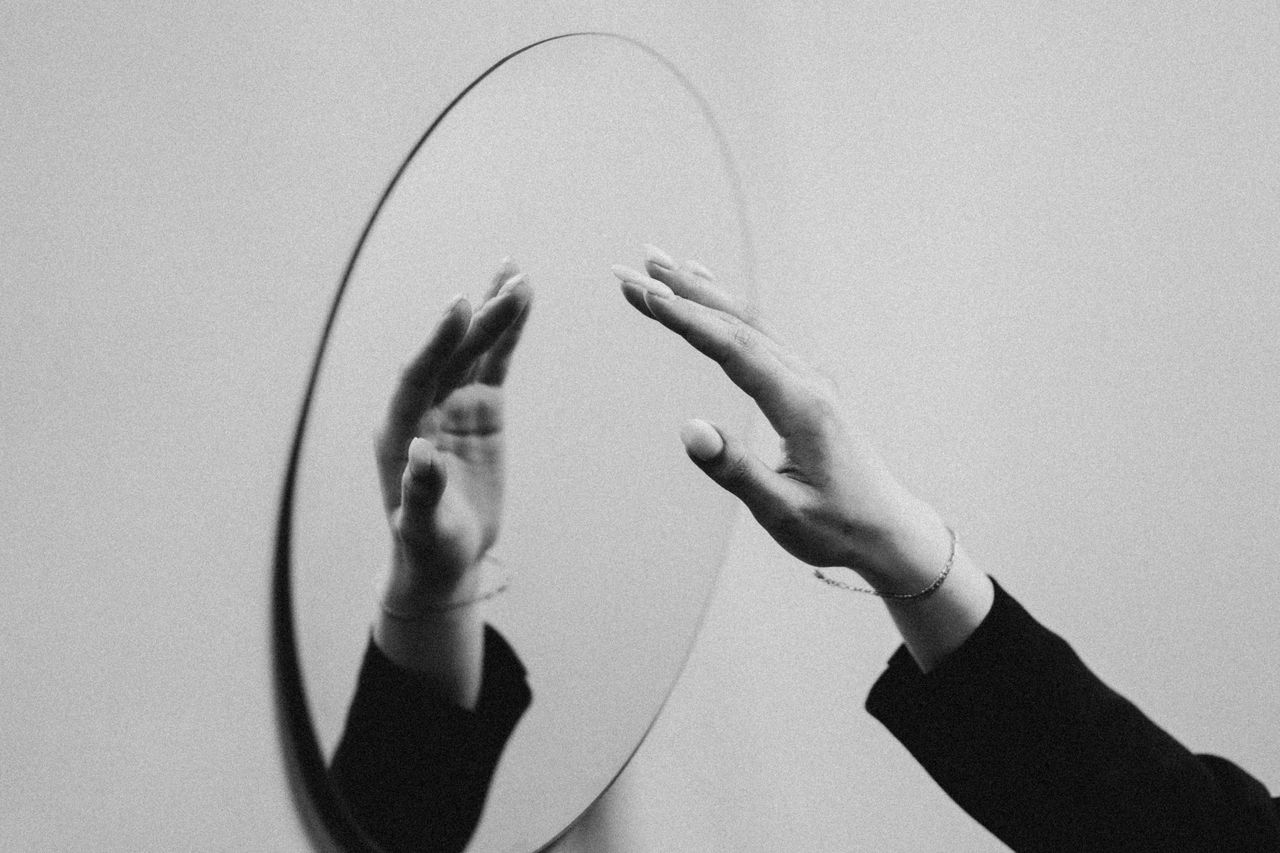
Philosophy sounds like something that happens in universities, in thick books full of long words. It is not. Real philosophy, the kind that actually changes how you live, begins somewhere much closer and much more uncomfortable: in front of a mirror. Not the one on the wall, but the inner one, where you look honestly at who you are, how your mind works, and why you do the things you do. Everything useful in philosophy starts there, with self examination.
Philosophy starts with knowing yourself
The oldest instruction in Western thought, carved over the temple at Delphi, was simply know thyself. Socrates made it his life’s work and put the stakes bluntly at his own trial:
The unexamined life is not worth living.
He meant it. To drift through your years without ever turning your attention inward, he thought, was to barely be awake for your own existence. The Stoics took his command as their entire foundation. Before you can improve your life, you have to see it clearly, which means seeing yourself for what you really are, not the flattering story you usually tell.
That is the first act of philosophy: turning your attention inward and analyzing your own mind. What actually drives you? Which fears run the show? Where do your reactions come from? Most people go their whole lives without ever seriously asking, running on autopilot, never once examining the machinery. The moment you start looking honestly, you have begun to philosophize, no textbook required.
We stop looking, and that is the problem
Here is what gets in the way. As we grow older, we quietly stop admiring things and stop looking at the world in fresh ways. The child asks why about everything and stares at things in wonder. The adult has seen it all before, files everything under known, and stops paying attention. That loss of curiosity is the death of philosophy.
Reviving it is not complicated, just deliberate. Look at your own habits as if you were seeing them for the first time. Question the beliefs you inherited and never checked. Notice the emotions that grab you and ask where they actually come from, instead of just obeying them.
Find your ruling principle
The Stoics had a specific target for this inner search. They called it the ruling principle, the core of you that judges, decides, and governs your responses. Philosophy, they said, truly starts when you locate that inner governor and begin to question the emotions and beliefs running through it.
Because here is the liberating part. Once you can see your own guiding principle clearly, you can start to correct it, which is really just judging yourself accurately enough to improve. The belief that was quietly making you miserable, the reaction that keeps sabotaging you, the fear steering choices you never consciously made, all of it becomes visible and therefore changeable. You cannot fix a mind you have never examined. So begin where all real philosophy begins, in the mirror, looking honestly at yourself. Everything else follows from that first brave glance.
Frequently asked questions
Where does philosophy actually begin?
With honest self examination. Long before any book, real philosophy starts when you look inward and see yourself as you truly are rather than as you prefer to imagine. The ancient command to know thyself captures it, and Socrates went so far as to say the unexamined life is not worth living. Understanding your own drives, fears, and reactions is the foundation everything else builds on.
What is the Stoic “ruling principle”?
It is the core of your mind that judges, decides, and governs your responses to the world. The Stoics taught that philosophy begins in earnest when you locate this inner governor and start questioning the beliefs and emotions running through it. Once you can see it clearly, you can correct the faulty beliefs and reactions that were quietly steering your life.
Get one like it every morning.
Free daily Stoic wisdom — one minute, real practice.