Dying Slowly, How Remembering Time Is Finite Makes You Live
 Garv
GarvDec 2, 2021 3 min read
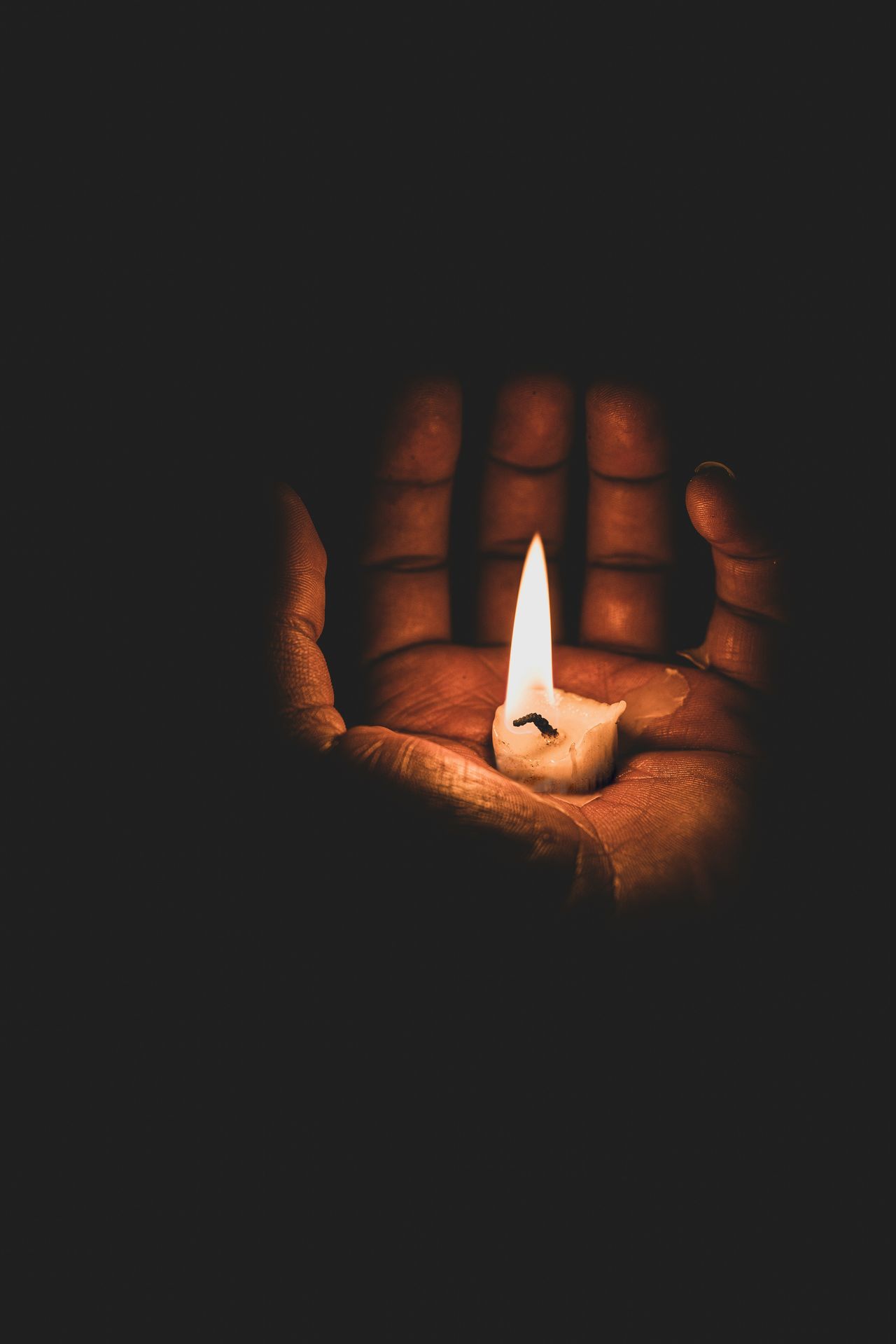
Here is a fact we all know and almost none of us live by: you are dying, slowly, right now, and so is everyone you love. Death is the one prophecy that never fails to come true. Every second that passes is gone forever, spent, unrecoverable. That sounds bleak, but the Stoics found it strangely liberating, because once you truly absorb that your time is finite and draining away, you stop wasting it on things that do not matter and start actually living the time you have left.
Your time is a gift, so treat it like one
We are careful with money, which we can always earn back, and careless with time, which we cannot. That is exactly backwards. Every hour you get is a gift with no guarantee of the next one, and once you spend it, it is gone for good. Understanding that should not make you anxious. It should make you grateful, and a little more deliberate about where your hours actually go.
Seneca wrote an entire essay on this, On the Shortness of Life, and his verdict still stings:
It is not that we have a short time to live, but that we waste a lot of it.
Life is long enough, he argued, if you stop pouring it into things that do not matter. So spend your precious, limited time on the people and things that genuinely matter to you, and enjoy it in good company rather than frittering it away on autopilot. The point of remembering death is not to dread the end. It is to stop sleepwalking through the middle.
Get comfortable with the end
The Stoics did something most of us avoid entirely: they thought clearly and calmly about death, on purpose. Consider your own vision of a good death, what it would mean to reach the end with few regrets, and get comfortable enough to even practice meeting the end while you are still well. Refusing to look at death does not make it go away. It just leaves you unprepared and quietly afraid.
The trick is to stop treating death as a purely negative thing to be feared, and start using it as a trigger to think differently about your life. A person who has made peace with the ending tends to live the middle with more courage, more clarity, and less petty fear, because they have already faced the biggest fear there is and found it survivable to contemplate.
Let mortality sharpen how you live
So sit with the real question the Stoics kept returning to. What would you change about yourself, right now, if you knew you only had a few months or a few years left to live? The honest answers are usually simple and usually available to you today. You would drop the grudges, mend the relationships, say the things left unsaid, and stop postponing the life you keep meaning to start.
None of that requires an actual diagnosis. You can embrace life precisely for its ephemerality, its short and fragile nature, and let that awareness make every ordinary day more vivid. There is no other option anyway, so take nothing for granted. You are dying slowly, like everyone. Let that truth not frighten you but wake you up, and use the time you still have while it is still yours.
Frequently asked questions
Isn’t dwelling on death depressing?
The Stoics found the opposite. Remembering that time is finite and draining away shakes you out of sleepwalking through life and makes the present vivid and precious. As Seneca argued, life is not short, we simply waste most of it. Used as a trigger to live more fully rather than a source of dread, mortality awareness is clarifying, not gloomy.
How does remembering my mortality help me live better?
It sharpens your priorities. Asking what you would change if you had only months or years left surfaces the simple, honest answers, mending relationships, dropping grudges, saying what needs saying, and stopping the endless postponement. Because your time is finite and unguaranteed, treating it as a precious gift pushes you to spend it deliberately on the people and things that truly matter.
Get one like it every morning.
Free daily Stoic wisdom — one minute, real practice.