Protect Yourself From Fear, the Inner Fortress No One Can Breach
 Garv
GarvSep 13, 2021 3 min read

Everyone has a limit, a point past which fear takes over and you feel yourself start to lose control. It is not a flaw, it is human. But the Stoics discovered something powerful about that fear: most of its power comes from the inside, not the outside. There is a stronghold within you that nothing external can breach unless you open the gate yourself. Learning to guard that inner fortress is one of the most important skills a person can build, and it starts with understanding what you are actually afraid of.
Investigate the fear instead of obeying it
The first move is not to fight the fear or run from it, but to examine it. When fear grips you, get curious about its reason and its origin. Where is this coming from? Is it rooted in a past experience bleeding into the present, a memory teaching you to expect a threat that may not be here anymore? Is it biological, the old animal alarm firing on reflex?
Just asking these questions changes your relationship to the fear. It stops being a monolithic wall of dread and becomes something with a source, which means something you can understand. Most fears shrink the moment you turn and look at them directly instead of letting them chase you from behind.
The fortress only falls from the inside
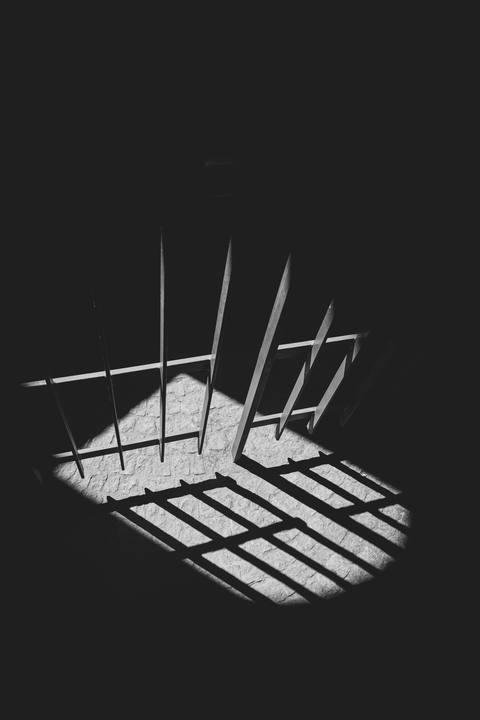
Here is the core Stoic insight, and it came from a man who had every external reason to be afraid. Marcus Aurelius spent much of his reign on the battlefield, facing invasion, plague, and betrayal, and he kept returning to one image for survival. The mind, he wrote, is a citadel, and a person has no stronger refuge to retreat into. Nothing attacking from the outside, no insult, no threat, no misfortune, can actually breach it. The walls are strong enough on their own.
The only way the fortress falls is if you let the enemy in yourself, by allowing fear, anger, or the opinions of others to reach your core. An event cannot disturb your peace. Only your judgment about the event can, and that judgment happens inside the walls, where you are in command. Guard the gate.
Understand more, fear less, act anyway
Life, the Stoics insisted, is to be understood, not feared. So make now the time to understand more and worry less, and part of that is protecting your energy from people who sometimes want a piece of you for no good reason. Boundaries are part of guarding the fortress too, and so is keeping steady command of your own reactions.
Remember also a practical truth about extreme fear: at its peak it paralyzes, unable to either fight or flee, and that frozen state is where fear does its worst. So do not wait to feel unafraid. Feel confident in your basic ability to protect yourself, ask for help when you need it, and take action despite the fear rather than waiting for it to pass. Courage was never the absence of the fear. It is refusing to hand it the keys to your inner fortress.
Frequently asked questions
What is the Stoic “inner fortress”?
It is the image of your core self, your mind and character, as a well defended stronghold that no external event can breach on its own. Marcus Aurelius, who used it while ruling through war and plague, taught that insults, threats, and misfortunes cannot actually disturb your peace unless you let your own judgments, fear, or anger open the gate. The defense is internal, so the control is yours.
How do I stop fear from controlling me?
Start by investigating it: ask where the fear comes from, whether it is a past experience or a biological reflex, because understanding shrinks it. Then refuse to let it penetrate your inner core, set boundaries with draining people, and take action despite the fear rather than waiting for it to vanish. Courage is acting while afraid, not feeling no fear.
Get one like it every morning.
Free daily Stoic wisdom — one minute, real practice.