Crisis Proof, How to Prepare for the Storm on a Sunny Day
 Garv
GarvSep 10, 2021 3 min read
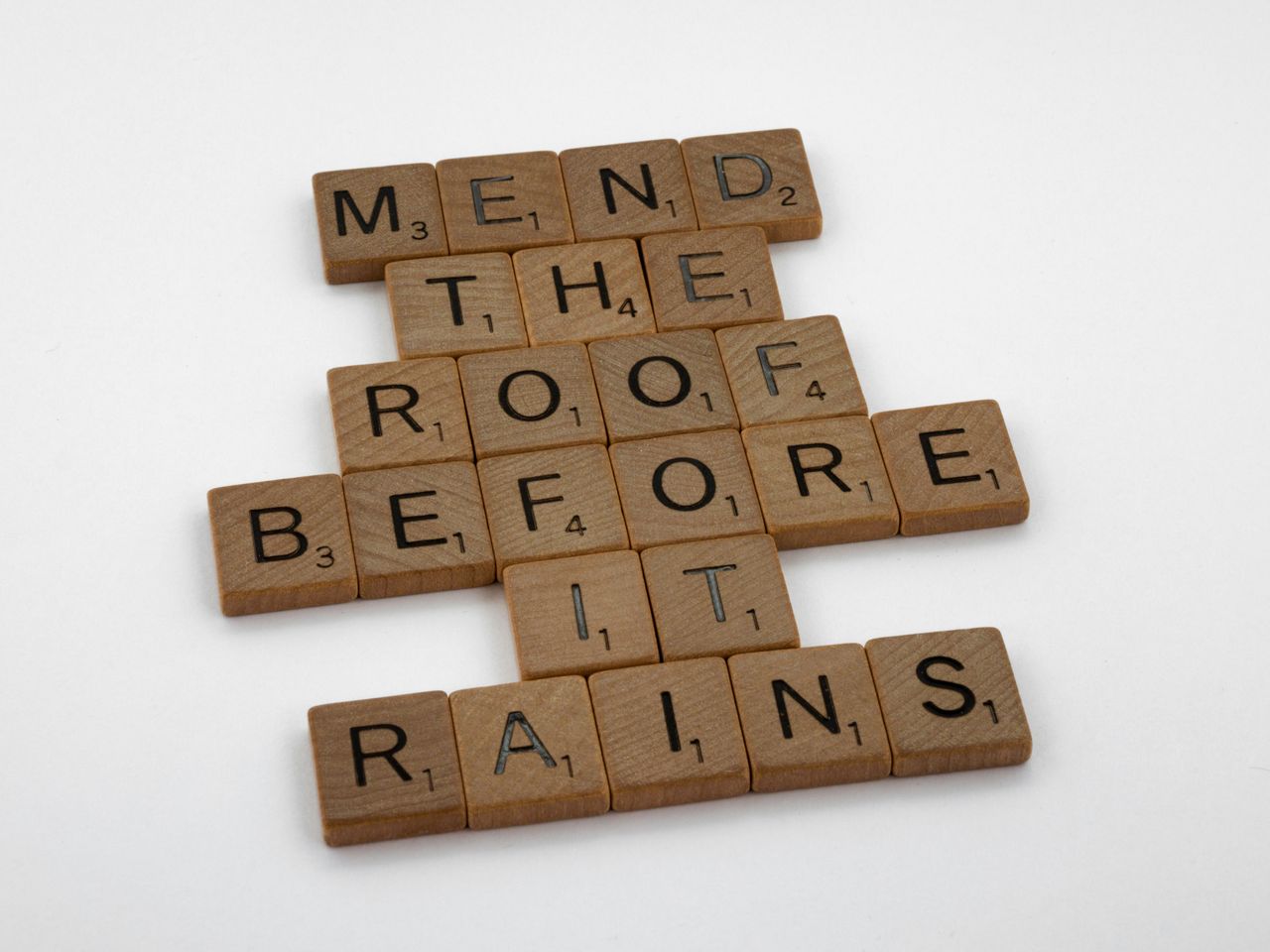
The best time to prepare for a crisis is when there is no crisis at all. It sounds obvious, and yet almost nobody does it. When things are going well, we assume they will keep going well, so we build no reserves, make no plans, and rehearse no responses. Then the storm arrives, as storms always eventually do, and it finds us completely unready. Being crisis proof is not about predicting exactly what will go wrong. It is about doing the quiet preparation now so that when something does, it feels survivable instead of catastrophic.
Prepare for the rainy day while the sun is out
The Stoics practiced a deliberate exercise for this, the premeditation of adversity. Seneca did not just think about it, he lived it. One of the richest men in Rome, he advised setting aside a few days every so often to eat the plainest food and wear the roughest clothes on purpose, then ask, calmly, “Is this the condition that I feared?” Having actually tasted the worst case, you stop being terrified of it.
This is not pessimism, and it is not inviting bad luck. It is the opposite of anxiety. Anxiety is fear that circles endlessly and prepares nothing. Premeditation is fear put to work, faced once, deliberately, so that it produces a plan instead of just dread. The unexpected blow lands hardest on the person who never imagined it could come. Imagine it in advance, and you rob it of its power to shock you.
Sit with the hard questions
Vague worry does nothing, so get specific while you are still safe enough to think clearly. Actually answer questions like these:
- What if the best things in your life did not work out?
- If you lost your job and your home tomorrow, where would you go?
- What would you cut, who would you call, and what is your very next move?
Sitting with those questions is unpleasant, which is exactly why people avoid them and stay fragile. But answering them honestly does two things at once. It builds a real plan for a real scenario, and it quietly reduces the fear, because a threat you have looked at squarely is far less terrifying than a vague catastrophe lurking in the dark.
Solve the problem before it arrives
Here is the payoff for doing the uncomfortable work. If you refuse to plan ahead, trouble tends to show up uninvited and finds you scrambling. But if you solve your problems in advance, or at least build the reserves and the plan to handle them, the same events feel manageable instead of terrifying.
The storm that would have wrecked an unprepared person becomes, for the prepared one, just weather to get through. That is what being crisis proof actually means. Not that nothing bad ever happens, because life can change in a single instant, but that when it does, you are steady, ready, and already halfway to the solution. Do the boring preparation on the sunny days, and the rainy ones lose most of their fear.
Frequently asked questions
Isn’t imagining everything that could go wrong just anxiety?
No, it is the cure for it. Anxiety is fear that loops endlessly and prepares nothing. The Stoic practice of premeditating adversity, which Seneca practiced by living rough for a few days at a time, faces a fear once and turns it into a concrete plan. Having looked at a threat and prepared for it makes it far less frightening than leaving it as a vague catastrophe in the background.
How do I make myself crisis proof?
Prepare while things are calm. Rehearse the specific scenarios that could hit you, losing your job, income, or home, and answer honestly what you would do, then build the reserves and plans accordingly. Solving problems in advance means that when trouble arrives, it feels manageable rather than catastrophic. You cannot prevent every crisis, but you can be ready for it.
Get one like it every morning.
Free daily Stoic wisdom — one minute, real practice.